
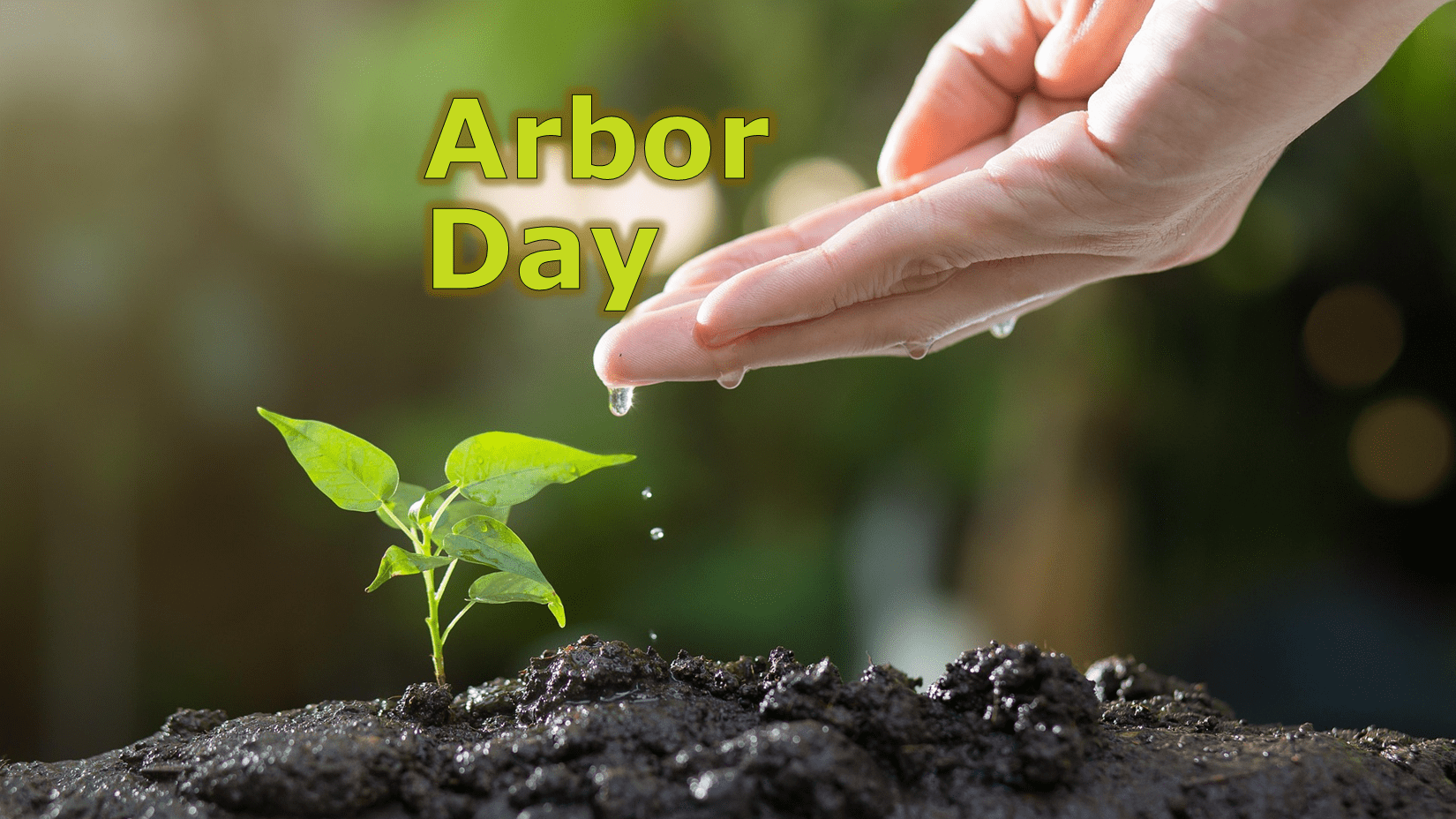
Arbor Day is a nationally celebrated holiday that recognizes the importance of trees. The most common way people celebrate Arbor Day is to get together in groups to plant trees.
National Arbor Day is Friday, April 24. Many states observe Arbor Day on different days, based on the best tree planting times in their area. Maryland's Arbor Day is April 1st, the First Wednesday in April. The Maryland State Tree is the White Oak.
Julius Sterling Morton, a Nebraska journalist, proposed a tree planting day in 1872 to improve the bleak treeless territory's terrain. That year over a million trees were planted in Nebraska on Arbor Day. Two years later, Nebraska governor Robert W. Furnas proclaimed Arbor Day.
In less than a decade, the idea for the holiday spread to other states until, by 1882, its observance had become a national event. Nebraska made Arbor Day a legal holiday in 1885, moving it to April 22; Morton's birthday. An estimated one million trees were planted during the first Arbor Day.
Many other countries around the world set aside one day each year to celebrate trees, though not all of them take place on the same day as Arbor Day. One of the oldest is Tu Bishvat, a minor Jewish holiday that usually falls in late January or early February. In ancient times, the people of Israel used this day to plant trees and celebrate their gifts by eating dried fruit and nuts, including figs, dates, raisins, carob, and almonds.
After celebrating Earth Day has passed (April 22), we look to Arbor Day (the last Friday in April). Both events celebrate our natural environment, but are they the same? Despite their similar theme and their closeness on the calendar, Earth Day and Arbor Day are each their own unique holiday. We explain the differences of each.
A popular Arbor Day and Earth Day custom is to plant trees, but that isn't the only way you can show love for Mother Nature. This year, give these nature-inspired activities a try:
- Celebrate Arbor Day in a personal way by planting a tree yourself. Plant trees on your own property, or volunteer with your local government agency to plant or care for trees on public land in your area.
- Read a book about trees and learn to identify trees in your yard and neighborhood.
- Enjoy the outdoors. Visit a local park or take a nature hike, taking care to notice the different tree varieties you encounter. Bring along a field guide to help with identification.
- Attend a class on tree and plant care.
- Volunteer with a local tree-planting organization. You'll meet new people while making a difference in your community.
- Visit a botanical garden or arboretum – you can do this virtually without ever leaving your home!
- Plant and grow a backyard, patio, or container garden.
- Start a kitchen herb garden.
- Plant trees, shrubs, and flowers that are native to your area. Doing so restores the natural habitat and provides optimal homes and food for local birds and wildlife. (Native plants are also lower maintenance!)
- Create your own terrarium.
- Find ways to make your garden more water-wise. Consider using rainwater to water plants or planting drought-resistant varieties.
- Take a nature walk or hike.
- Become a member of your favorite conservation or wildlife organization.