
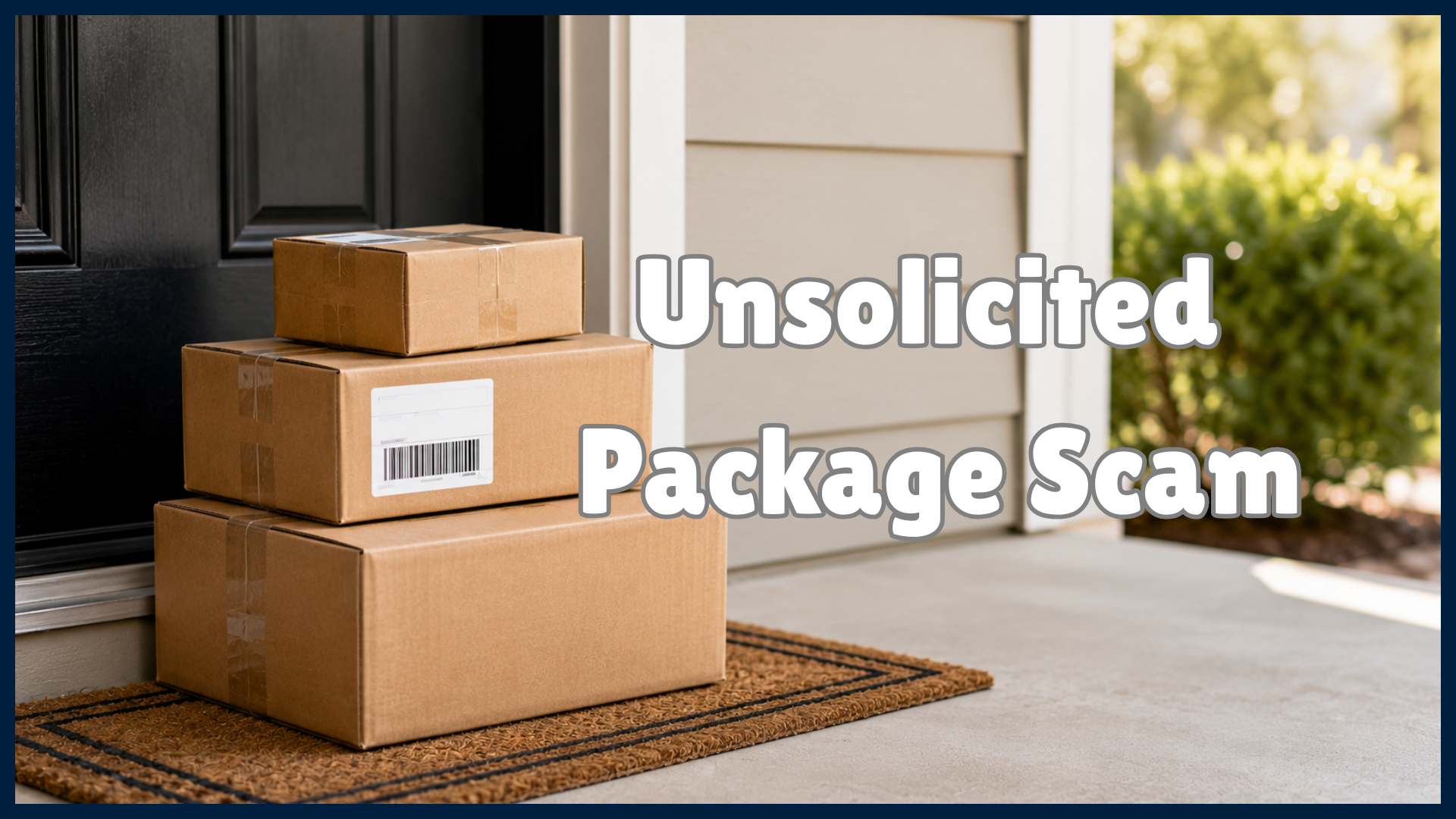
If you receive a package you didn't order, that may indicate a "brushing" scam or a more nefarious 'Trojan Horse" attempt to steal your private information. Never scan any bar or QR code on or in the package. You may be giving access to all the information on your phone. Be very skeptical of any "gift" included in the package, especially anything that might contain electronics that could record sound or signals. You may be inviting theives into you home with the package.
A brushing scam occurs when third-party sellers send unsolicited packages to real addresses to make it appear that their products have been purchased and reviewed by legitimate customers. These sellers often create fake accounts to post positive reviews using the recipient's name, which increases product visibility and sales on platforms like Amazon. The items are usually inexpensive, lightweight, and may include products like beauty items, small electronics, or novelty goods.
Even though you are not financially responsible for the package, receiving an unsolicited item can indicate that your personal information may have been exposed. This could potentially lead to identity theft or unauthorized use of your information for online reviews. Never contact the sender directly, as scammers may attempt to obtain more sensitive information from you.
Here is the Federal Trade Commission Consumer Alert on brushing scams.
Steps to Take
- Confirm the source: Check if the package is a gift or ordered by someone you know.
- Report the package: Use Amazon's Report Unwanted Package form or contact Customer Service to alert them of the incident.
- Protect your accounts: Change passwords for your online shopping accounts and monitor your credit reports for unusual activity.
- Keep the merchandise: Legally, you are allowed to keep items sent to you that you did not order .
- Document the incident: Take note of the package details, including sender information and tracking numbers, in case further investigation is needed.
- Avoid interacting with the sender: Do not respond to any contact from unknown senders to prevent scams or phishing attempts.
Preventive Measures
- Use secure websites and avoid sharing personal information unnecessarily.
- Consider using a package acceptance service for deliveries to reduce exposure.
- Regularly review your online accounts and credit reports to detect suspicious activity early
Scammer tactics are escalating beyond packages. Fraudsters leave door notes claiming missed deliveries with suspicious callback numbers or show up demanding cash-on-delivery payments—sometimes $9.28 for Amazon-labeled boxes. Amazon confirms they never require door payments in the U.S., making any such request an immediate red flag.
Be skeptical, and on guard when it comes to packages so you can protect your personal information and prevent further incidents while understanding that receiving the package itself does not make you liable.