
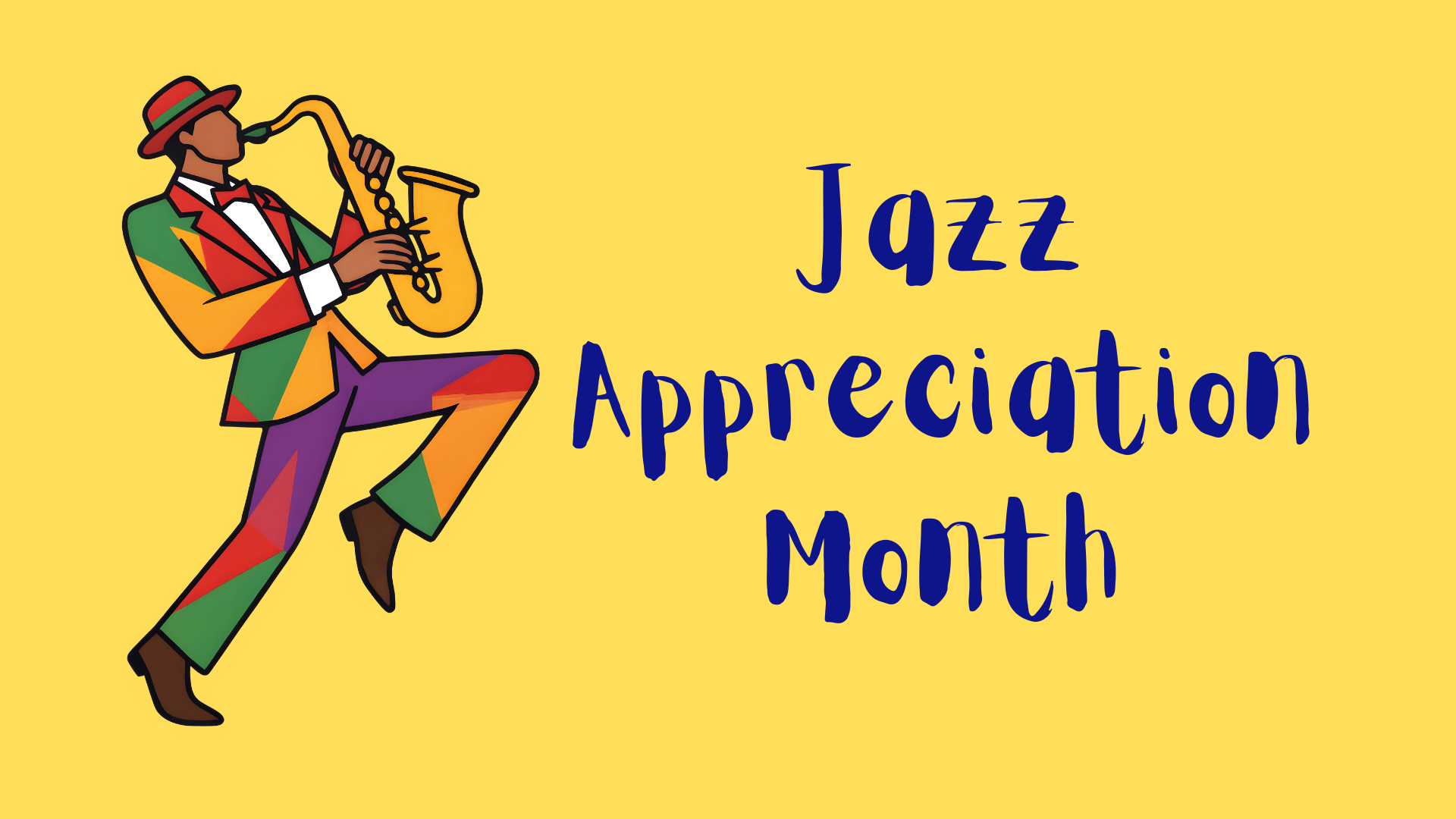
Jazz Appreciation Month (JAM), celebrated each April, is a vibrant tribute to one of the most influential and enduring genres in music history. Established in 2001 by the Smithsonian National Museum of American History to highlight the extraordinary heritage and impact of jazz music.
This month especially, people of all ages are invited to explore and appreciate the artistry of jazz music, and to recognize and honor the rich history, cultural significance, and lasting legacyof jazz. From its roots in African-American communities to its global reach today, jazz continues to inspire creativity, freedom, and connection across generations and cultures.
Jazz is more than a musical style—it's a reflection of cultural history, social change, and the human spirit's resilience and creativity. Jazz Appreciation Month honors the contributions of artists who, often against great odds, shaped not only a genre but also cultural conversations around race, identity, freedom, and innovation.
By celebrating jazz, we acknowledge its role in shaping modern music, fostering cross-cultural dialogue, and inspiring countless musicians and listeners worldwide. Jazz's legacy reminds us of the beauty of improvisation, collaboration, and artistic freedom—values that remain deeply relevant today.
Throughout April, JAM celebrates jazz musicians, past and present, while encouraging greater understanding and appreciation of jazz as a uniquely American art form that has influenced music worldwide.
There are countless ways to celebrate Jazz Appreciation Month, whether you're a longtime fan or new to the genre. Here are several inspiring ways to celebrate:
- Attend Live Performances: Support local jazz clubs, theaters, or community events by attending live performances. Experiencing jazz in a live setting captures the improvisational spirit and communal energy that defines the genre. Reserve your place at one of the Smithsonian Jazz Month concerts.
- Explore Jazz History: Take time to learn about jazz legends such as Louis Armstrong, Duke Ellington, Ella Fitzgerald, Miles Davis, John Coltrane, and many others. Watch documentaries, read biographies, or listen to recordings that capture the evolution of jazz styles from Dixieland and Swing to Bebop and Fusion.
- Host a Jazz Listening Party: Curate a playlist of jazz classics and/or modern interpretations, and invite friends and family to join a listening session. Discuss favorite tracks, instruments, and the emotional power of different pieces.
- Visit a Jazz Museum or Exhibit: Explore exhibits dedicated to jazz history and culture. Many museums, including the Smithsonian and the American Jazz Museum, offer in-person and virtual tours during April.
- Learn an Instrument: If you've ever been curious about playing jazz, now is the perfect time to start. Instruments like the saxophone, trumpet, double bass, and piano are iconic in jazz music, but you can start with any instrument and explore jazz techniques and improvisation.
- Promote Jazz Education: Encourage local schools and music programs to incorporate jazz into their curriculum. Support organizations that provide jazz education to young people, ensuring that future generations continue to appreciate and innovate within the genre.
- Create Jazz-Inspired Art: Jazz and visual arts have long been intertwined. Consider creating paintings, poems, or photography inspired by the rhythms, moods, and improvisational spirit of jazz.
- Celebrate International Jazz Day: Mark April 30th by participating in global concerts, workshops, or virtual events dedicated to jazz's role in uniting people across borders and cultures.
- Share Your Love for Jazz on Social Media: Post your favorite jazz tracks, artist profiles, or event information using the official campaign hashtags to spread awareness and encourage others to join the celebration.