
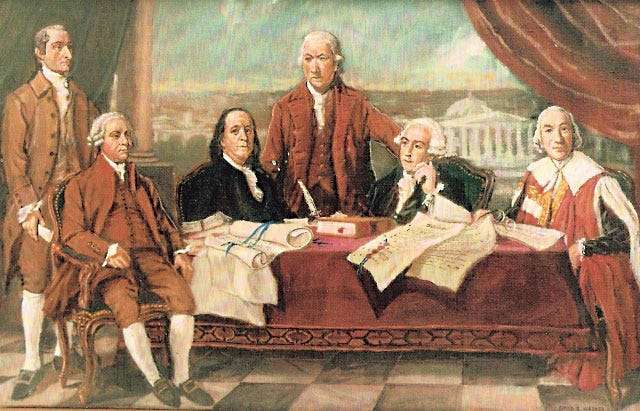
Ratification Day is observed annually on January 14 to commemorate the ratification of the Treaty of Paris in 1784, which officially ended the American Revolutionary War and established the United States as an independent nation. This day marks the moment when the Continental Congress ratified the treaty, ending the conflict between Great Britain and the United States. It formally ended the American Revolutionary War and recognized the independence of the United States.
In this treaty, the British Crown ceded most of its territory east of the Mississippi River, effectively doubling the size of the new nation and paving the way for westward expansion. This significant event marked the establishment of the United States as a free and independent nation.
The ratification was a pivotal event in American history, as it recognized the U.S. as a sovereign entity and set the boundaries for the new Nation. Following the signing of the Treaty of Paris in September 1783, the document had to be ratified by the American government and returned to England within a strict six-month deadline. The Confederation Congress was meeting at the Maryland State House in Annapolis. A severe winter and the limitations of the Articles of Confederation made gathering enough representatives difficult. By early January 1784, only seven of the thirteen states had delegates present; two short of the nine required by law to approve a treaty.
The delegates from Connecticut and South Carolina arrived in Annapolis just in time to break the deadlock. One representative, Richard Beresford of South Carolina, famously traveled from his sickbed in Philadelphia to ensure his state’s vote was counted. On January 14, 1784, the Congress officially ratified the treaty, and messengers were quickly left on a two-month voyage across the Atlantic to deliver the documents. The timely arrival prevented the peace agreement from expiring and secured the legal foundations of American independence.