
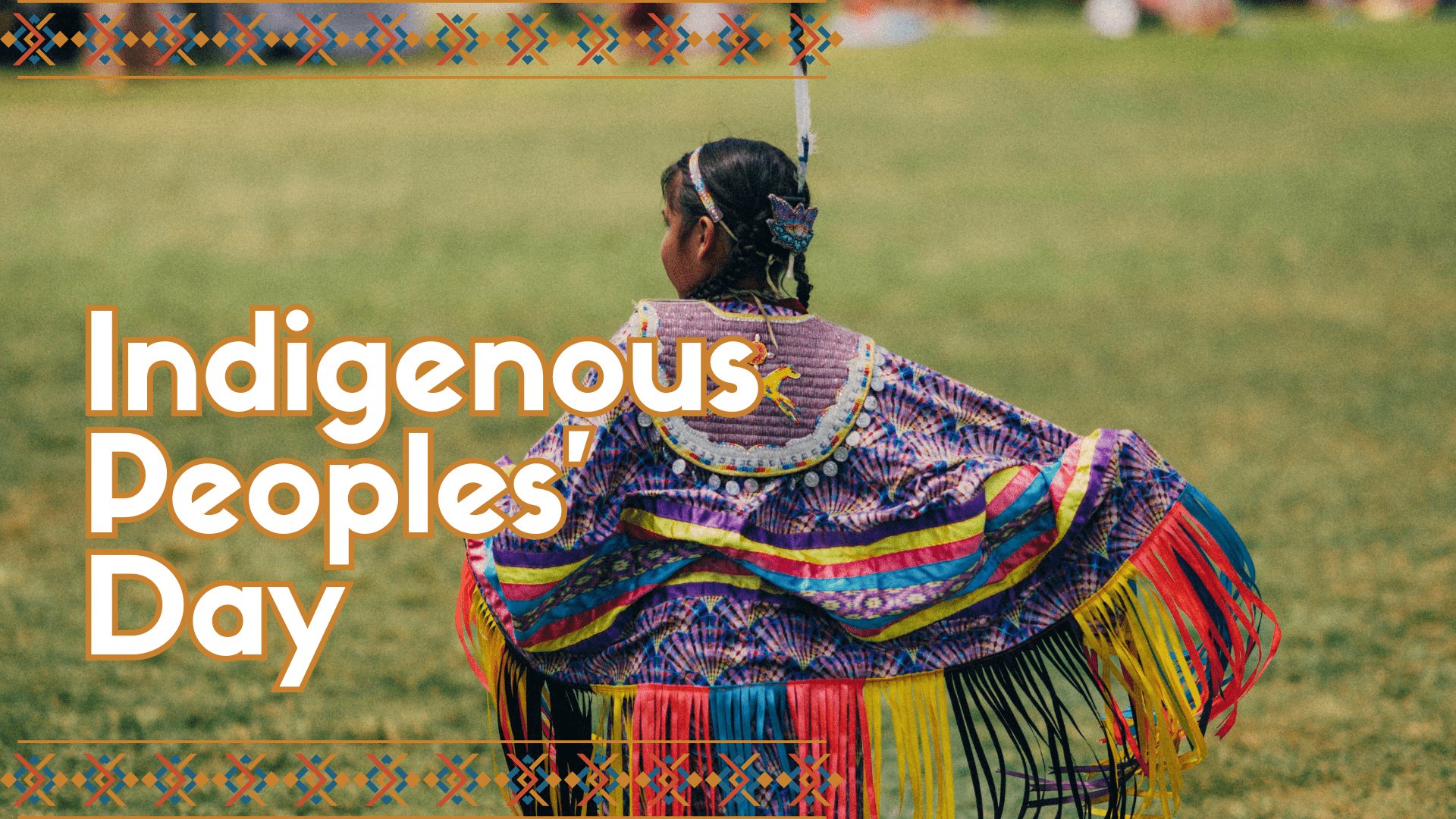
Indigenous Peoples’ Day is a day to recognize Indigenous people and the contributions they’ve made to history, as well as to mourn those lost to genocide and Western colonization—and to remember that Native Americans were here long before European settlers showed up on our shores.
We recognize the disease, genocide, and slavery brought to the Americas through the interactions of Columbus and other European explorers with Indigenous peoples. In addition, the arrival of European explorers and settlers also meant that Indigenous peoples increasingly lost access to their ancestral lands and natural resources, which significantly impacted their ability to practice aspects of their cultures and traditions.
In 1977, the United Nations International Conference on Discrimination Against Indigenous Populations in the Americas proposed that Indigenous Peoples Day replace Columbus Day.
Columbus Day has been a federal holiday since 1937, but in recent years has come under criticism for its purported celebration of Christopher Columbus’ colonialism.
In 2021, then President Joe Biden signed a proclamation formally recognizing and observing Indigenous Peoples’ Day.
While not an official federal holiday, Indigenous Peoples’ Day is celebrated by some states, including Maryland, on the second Monday of October — the same day as Columbus Day. This year, the holiday falls on Oct. 13.
This year’s Indigenous Peoples Day will bring both celebration and debate. Expect:
- Official proclamations from governors, mayors, and tribal leaders.
- Community gatherings across states that recognize the holiday.
- Educational initiatives in schools and universities.
The day is becoming a defining moment in how America balances tradition with a more inclusive and accurate retelling of its history.
Across the U.S., local governments, schools, and cultural institutions are playing a bigger role in shaping how Indigenous Peoples Day is observed.
- Public events include powwows, art exhibitions, storytelling circles, and concerts led by Native performers.
- Schools are shifting focus away from Columbus-centered lessons, instead teaching about Indigenous history, sovereignty, and resilience.
- Museums and libraries are organizing lectures, film screenings, and panels to highlight Indigenous voices.
This grassroots momentum shows how the holiday is becoming an important educational and cultural platform.
Indigenous Peoples Day represents more than a symbolic shift. It challenges traditional narratives and promotes deeper understanding of history.
- Correcting the record: The holiday highlights the experiences of Indigenous communities during and after European colonization.
- Honoring resilience: It recognizes Native peoples’ survival, contributions, and cultural preservation.
- Expanding awareness: It encourages Americans to learn about tribal sovereignty, broken treaties, and ongoing struggles for justice.
- Cultural pride: It provides Native communities with visibility and space to celebrate their heritage.
Challenges and Criticism
Despite its growth, Indigenous Peoples Day faces resistance in some parts of the U.S.
- Cultural backlash: Opponents argue that removing Columbus Day ignores Italian-American heritage.
- Political divisions: Recognition often shifts with changes in leadership, creating inconsistency.
- Symbol vs. substance: Critics within Native communities worry that changing a holiday without improving healthcare, education, or tribal funding is not enough.
- Public awareness: Many Americans remain unfamiliar with the holiday or see it as secondary to Columbus Day.
Indigenous Peoples Day in 2025 reflects the nation’s ongoing struggle to reconcile history with justice. From cultural celebrations to statehouse debates, the holiday is steadily shaping how the U.S. remembers its past and honors its Native communities.