
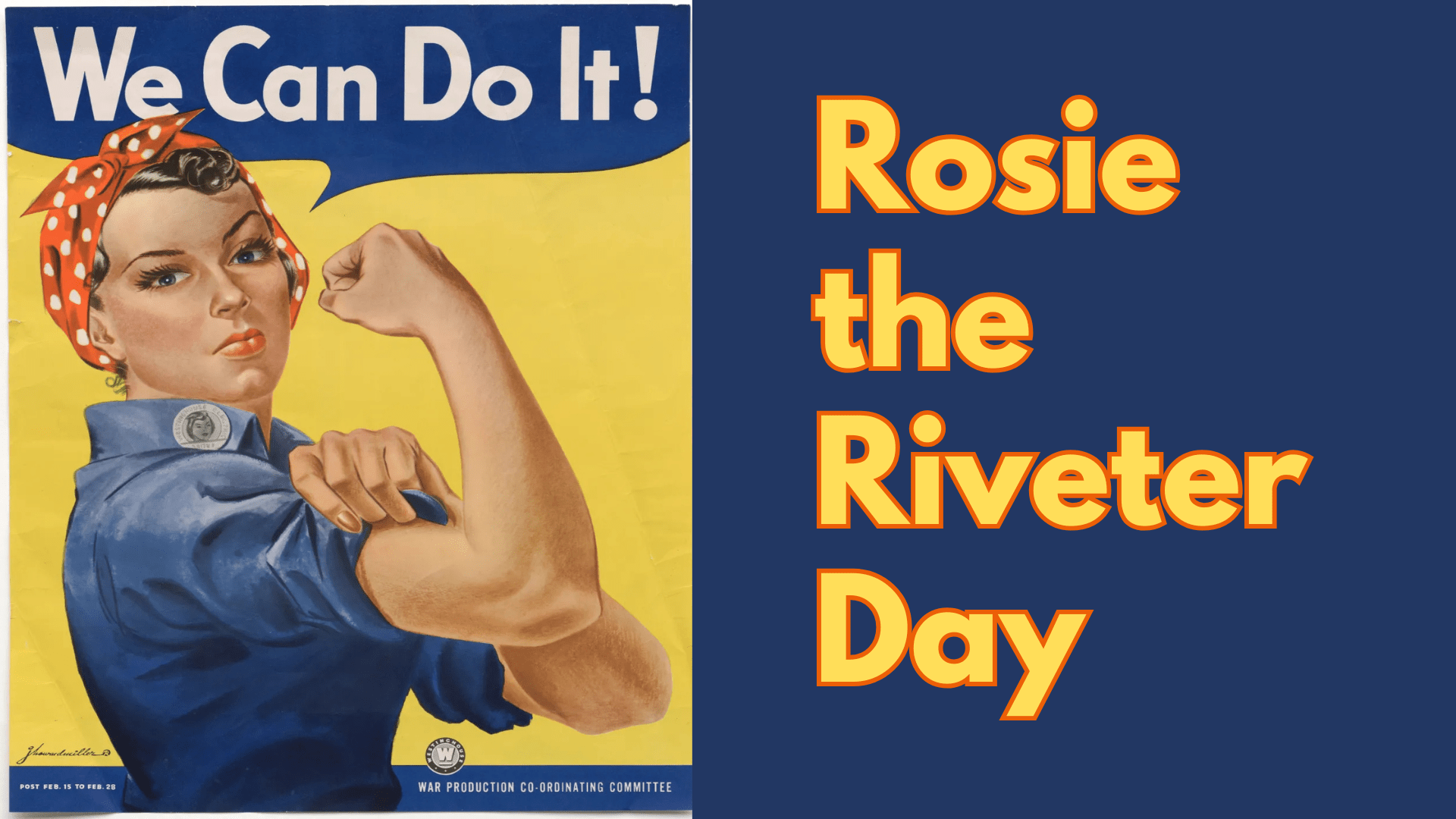
After the United States entered WWII in 1941 and service enlistments ramped up, the war department prepared for a shrinking male civilian workforce. The government instigated a propaganda campaign to entice women into the work force. Rosie the Riveter was the star of the campaign aimed at recruiting female workers for defense industries during World War II, and she became perhaps the most iconic image ever of working women. While women during World War II worked in a variety of positions previously closed to them, the aviation industry saw the greatest increase in female workers.
More than 310,000 women worked in the U.S. aircraft industry in 1943, making up 65 percent of the industry's total workforce (compared to just 1 percent in the pre-war years). The munitions industry also heavily recruited women workers, as illustrated by the U.S. government's Rosie the Riveter propaganda campaign.
American women entered the general workforce in unprecedented numbers during the war, as widespread male enlistment left gaping holes in the industrial labor force. Between 1940 and 1945, the female percentage of the U.S. workforce increased from 27 percent to nearly 37 percent, and by 1945 nearly one out of every four married women worked outside the home.
The first image now considered to be Rosie the Riveter was created by the American artist J. Howard Miller in 1942, but it was titled "We Can Do It!" and had no association with anyone named Rosie. It is believed that this initial drawing was part of the Westinghouse Electric Corporation's wartime production campaign to recruit female workers.
In 2017, the U.S. Congress passed a resolution to mark March 21 as National Rosie the Riveter Day, a day in Women's History Month. Rosie the Riveter became an instant cultural icon with references in hundreds of Hollywood projects. This includes the 1994 "Rosie the Riveter" movie starring Jane Frazee and Barbara Jo Allen. The romantic comedy is the perfect depiction of life in the '40s and makes for a fun afternoon watch.